 +86 21 51096910
 sales@welsobio.com / marketing@welsobio.com




+86 21 51096910
sales@welsobio.com / marketing@welsobio.com
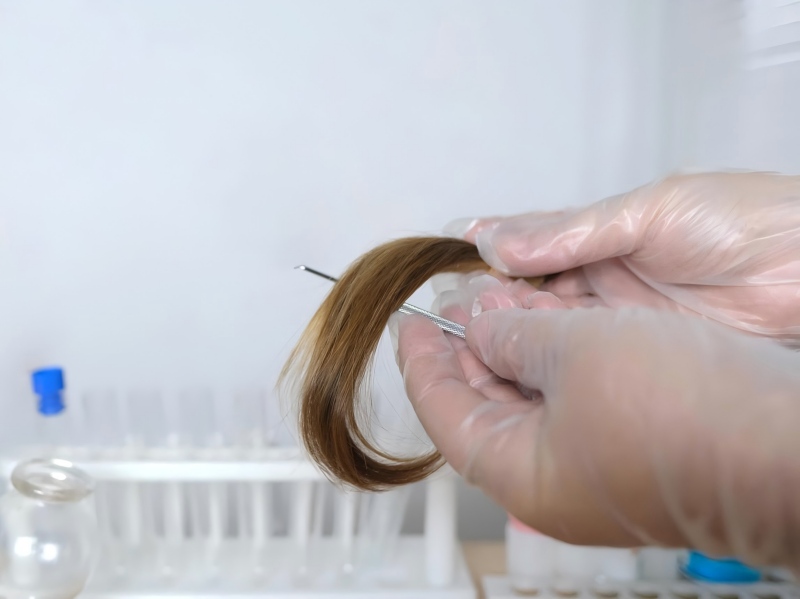
Hair is a commonly used biological sample for trace element analysis and other laboratory testing. However, hair fibers are relatively tough and lightweight, while the amount of sample available for testing is often limited. Traditional manual grinding can be time-consuming and may result in inconsistent particle sizes or sample loss, creating challenges for subsequent analysis.
To address the difficulties associated with dry-grinding small amounts of tough hair samples, Welso conducted an application test using the WTLA240 Automatic Tissue Grinder. By selecting suitable grinding beads and optimizing the operating parameters, the test evaluated the instrument's performance in dry-grinding small quantities of fibrous hair samples and provides a practical reference for automated sample preparation.
Experimental Objective
The purpose of this test was to evaluate the dry-grinding performance of the WTLA240 Automatic Tissue Grinder for hair samples.
The test focused on:
The ability to break down tough and fibrous hair samples
Grinding efficiency within a short processing time
The condition of the sample after grinding
The suitability of the ground sample for subsequent laboratory analysis
By using an automated grinding process, the WTLA240 can reduce the workload associated with manual grinding and improve sample preparation efficiency for trace element analysis and other related applications.
Materials and Equipment
Equipment:
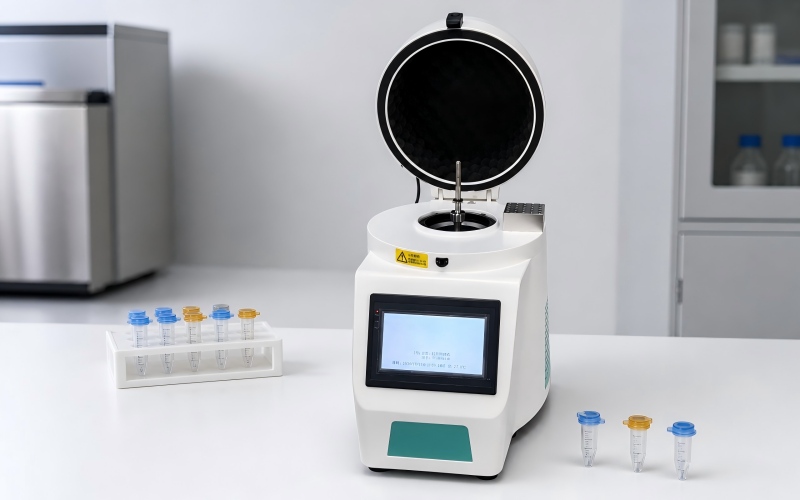
Welso WTLA240 Automatic Tissue Grinder
Compatible adapter
Screw-cap grinding tubes
Stainless steel grinding beads
Hair samples
Experimental Procedure
1. Sample Preparation
Place an appropriate amount of hair sample and stainless steel grinding beads into the screw-cap grinding tube. Securely tighten the tube cap.
2. Adapter Installation
Install the adapter into the instrument and make sure that the bottom groove of the adapter is correctly engaged with the drive shaft slot.
Place the grinding tubes symmetrically and ensure proper balancing. Install the adapter cover and tighten the locking nut securely.
3. Grinding Parameter Setup
Set the grinding program according to the characteristics of the hair sample and the desired grinding effect.
4. Grinding
Start the instrument and perform the grinding process for 180 seconds.
5. Sample Collection
After grinding is complete, remove the grinding tubes and observe the condition of the processed samples. The ground material can then be collected for subsequent experimental procedures.
Important: Grinding tubes should always be placed symmetrically and properly balanced. When processing only one sample, use a suitable empty tube for counterbalancing. Follow the instrument's operating instructions for proper setup and balancing.
Experimental Results: Hair Samples Dry-Ground in 180 Seconds
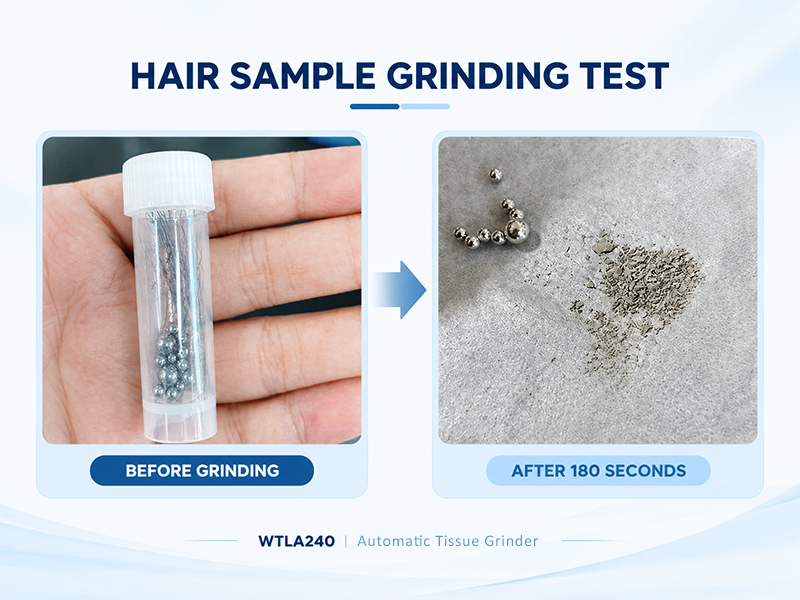
Before Grinding
The hair sample consists of tough, flexible fibers, making direct grinding relatively difficult.
After 180 Seconds of Grinding
After 180 seconds of automated grinding, the hair fibers were effectively broken down, and the resulting sample condition met the requirements of this test for subsequent sample preparation.
The test results demonstrate that, under the conditions used in this experiment, the WTLA240 completed effective dry grinding of the hair sample within 180 seconds.
In addition, the WTLA240 can process up to 12 samples simultaneously, helping improve batch sample preparation efficiency while reducing the time and manual effort required for conventional grinding.
The actual grinding performance may vary depending on factors such as sample characteristics, grinding bead configuration, sample quantity, and operating parameters. For different applications, grinding conditions should be optimized according to specific experimental requirements.
This application test demonstrated the performance of the Welso WTLA240 Automatic Tissue Grinder for dry grinding hair samples.
With an appropriate grinding bead configuration and optimized operating parameters, the instrument effectively processed the hair sample within 180 seconds under the conditions of this test. Its capacity for simultaneous processing of up to 12 samples also provides a convenient solution for batch sample preparation.
For hair samples used in trace element analysis and related laboratory applications, automated grinding offers an efficient approach to handling tough, lightweight, and limited-quantity samples. It can help improve sample preparation efficiency while reducing the workload associated with manual processing.
Welso continues to focus on practical sample preparation challenges in laboratory workflows, providing automated grinding solutions designed to support efficient and consistent sample processing across a wide range of applications.

Subscribe to our Newsletter & Event right now to updated.



+86 21 51096910

sales@welsobio.com
marketing@welsobio.com

1-1009, National Industrial Design Park, No. 599 Jianzhu Road, Binhu, Wuxi , Jiangsu, China, 214062

Head Office: No. 439 Jinglian Road, Minhang District, Shanghai,China, 201108